
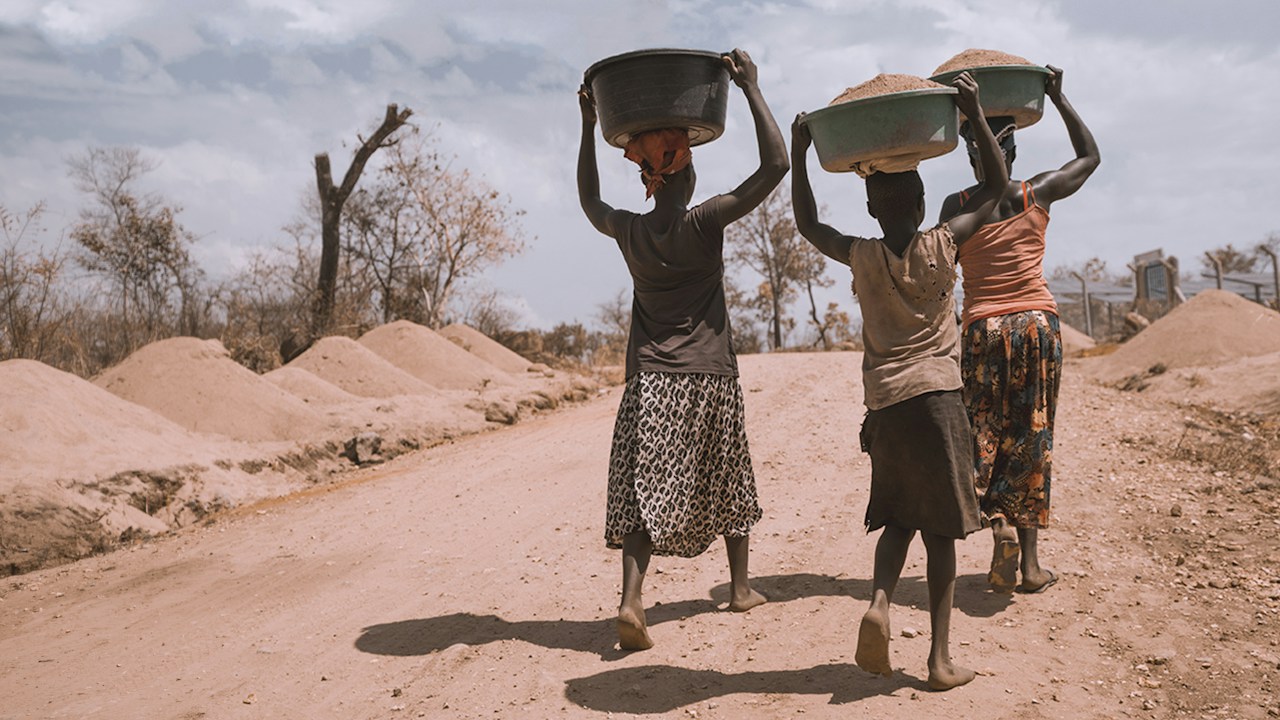
Deep in the forested hills of North Kivu province, tens of thousands of artisanal miners descend into hand-dug shafts each day, producing gold that will eventually find its way into jewellery, electronics, and financial reserves across the globe. What should be a lifeline for rural communities has become a devastating resource curse.
An SM Mining News investigation, conducted over six months with researchers on the ground in Butembo, Beni, and Walikale, found that armed groups, including both foreign-backed militias and rogue elements within the national army, extract systematic "taxation" from artisanal miners at every stage of the supply chain, from the mine mouth to the export broker.
The financial scale is significant. Conservative estimates by researchers at a leading conflict minerals tracking organisation place the annual diversion at between $350 million and $450 million, making conflict gold one of the most lucrative illicit revenue streams in sub-Saharan Africa.
The gold travels out of eastern Congo through a web of informal channels, often through Rwanda or Uganda, before being melted into bars by regional refiners and sold to international buyers who face only minimal due diligence requirements.
International certification schemes exist but remain unevenly implemented. The OECD Due Diligence Guidance for Responsible Supply Chains has been adopted by several major end-users, yet enforcement at the source remains the critical gap. Until artisanal miners can access formal, protected supply chains with fair pricing, the incentive structure that sustains conflict extraction will persist.